 Call: (252) 299-2240


- Wilson Based
A painting company located in Wilson, NC 27893.
- Free Estimates
Professional painting services. Call (252) 299-2240 for a free estimate.
 Wilson Based
 Free Estimates
Deck Staining
A deck floor takes more weather than any other wood on a house. Fence and deck stain is one of the services on our flyer, and for a deck that means staining the wood and then keeping it up as the old coat wears. We are a residential painter based in Wilson, NC.
Deck Staining in Wilson, NC
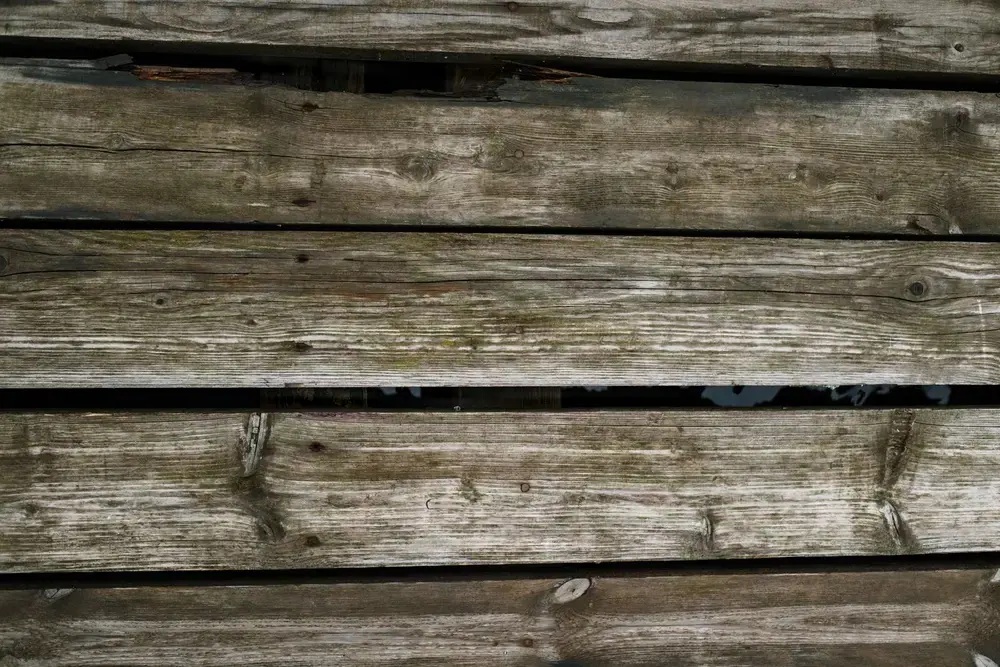
NOAA's 1991-2020 normals for the Greenville station, east of Wilson, count 53.44 inches of precipitation a year, falling on 127.6 days, and 52.8 days a year at 90°F or hotter. A deck floor takes all of it. The boards lie flat, so rain sits in the grain and the gaps instead of running off, and they face the sky through every summer afternoon. Sun breaks down the stain and the top fibers of the wood, and water swells the boards, then leaves them to shrink as they dry.
So the stain on a deck floor wears out well before the stain on its railings or on a fence in the same yard, which stand upright and shed water. Foot traffic adds to it: the path from the door to the stairs goes first.
How Often Should You Stain a Deck?
There is no fixed number of years. It depends on how much sun the deck gets, how much it is walked on and which stain is on it now. A deck in the shade of the house can go much longer between coats than one that faces south or west with nothing overhead. Check it each spring:
- Pour a little water on the busiest boards. If it beads up, the stain is still working. If it soaks in and darkens the wood, those boards are open to the weather.
- Look at the color. Gray wood on the walkways and stair treads means the stain has worn off there.
- Look for peeling. A solid stain lifting off the floor needs more prep before the next coat.
A pressure-treated deck follows the same signs. The easiest coat is the maintenance coat: a cleaning and a fresh coat while the old stain is faded but still in the wood, before gray boards or peeling stain mean stripping the deck and starting over.
Surface Preparation for a Deck
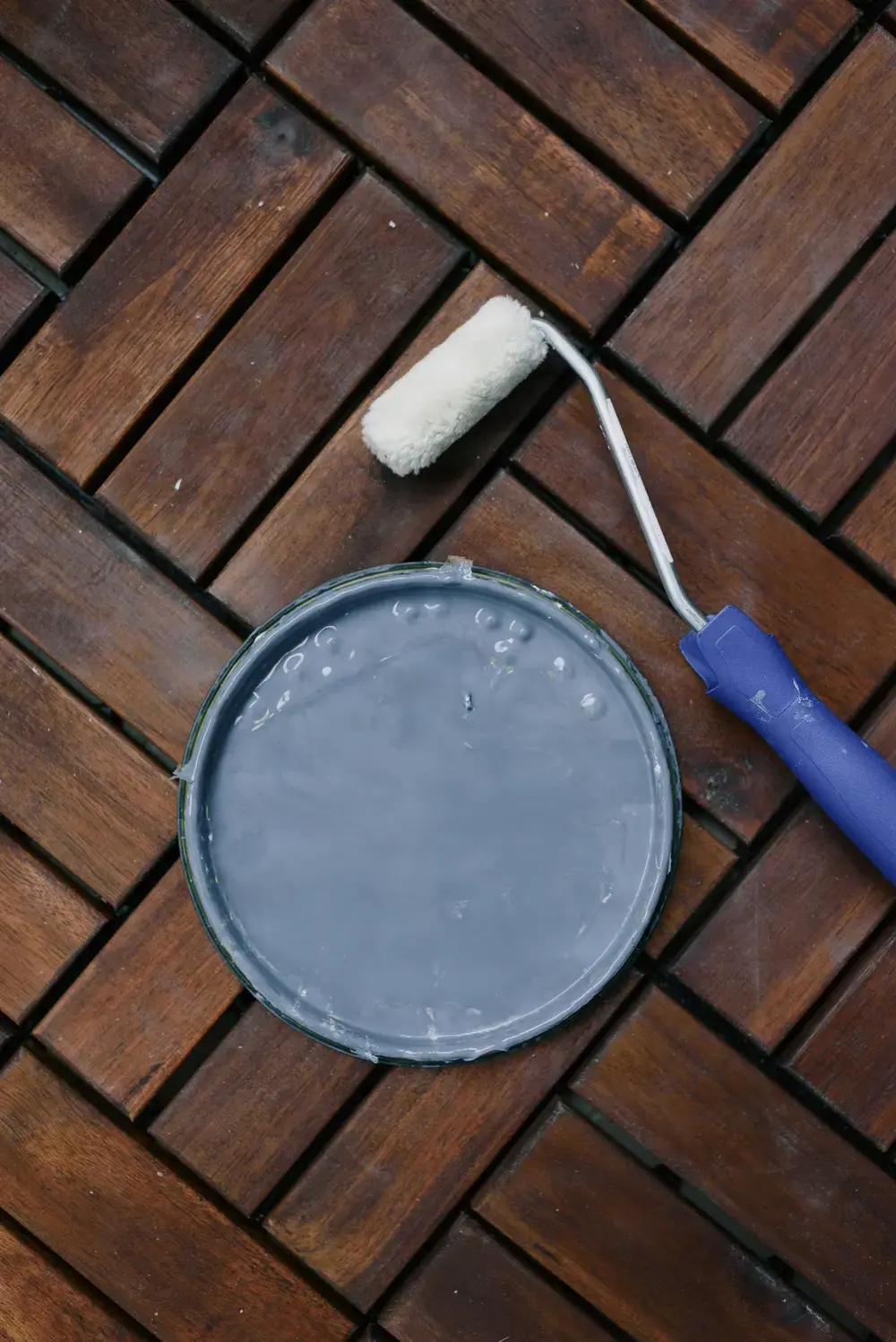
Stain only soaks into clean, open, dry wood, so most of a deck job happens before the first board is stained. The deck needs to be clear first: furniture, grills, planters and rugs come off so every board can be reached. Then:
- Cleaning. A deck cleaner goes on the wet boards to loosen dirt and the gray, weathered fibers on top, and the boards are scrubbed and rinsed. Where old stain has to come off, a stain stripper does that job instead.
- Brightening. A wood brightener after the cleaner evens out the color, so the new stain doesn't go on blotchy.
- Drying. In humid weather or shade this takes longer than it looks. A few drops of water decide it: if they soak in within a few minutes, the wood is ready; if they sit on top, it is still too wet.
- Sanding rough spots. Splinters and raised grain left after cleaning are sanded smooth, above all on handrails and stair treads, where hands and bare feet touch the wood.
- Covering the house and garden. Siding, brick, door thresholds and the shrubs below the deck are covered, since cleaner and stain both mark what they land on.
Some painting prep doesn't belong on a deck. The gaps between boards stay open, with no caulk, so rain drains through. Wood filler stays out of the floor: it doesn't move with the boards and takes stain differently from the wood around it. Stain needs no primer. If we find loose boards, raised nails or screws, or a railing that moves, we point them out before any stain goes on, so you can have them fixed first.
How We Stain a Deck, Step by Step
Stain goes on in an order that keeps the color even and the way off the deck dry:
- Railings and balusters first, so drips land on floorboards that haven't been stained yet.
- Then the floor, a few boards at a time, each run stained from end to end so no line forms where wet stain meets drying stain, working from the far side toward the stairs.
- Back-brushing. Whether stain goes on by pad, roller or sprayer, a brush follows right behind to push it into the grain, the board ends and the cracks.
- Stairs last, treads, risers and stringers, since they are the way on and off.
- Wiping the extra. Stain still sitting on top after the soak time stays tacky and wears unevenly, so it is wiped or brushed out.
Board ends drink up the most stain and the most water, so they get a second pass. Many semi-transparent deck stains go on in one coat, or two coats wet on wet, and the label says which.
Choosing a Stain for Pressure-Treated Wood
Most decks are built of pressure-treated pine. New treated wood is often still wet from the treatment when the deck is built, so it waits until the water-drop test above says it can take stain. That depends on the weather and the sun on the deck, so we check the boards rather than count weeks. The common choices are:
- Clear and toner stains have little or no pigment, so the sun grays the wood sooner and upkeep coats come more often.
- Semi-transparent stain has enough pigment to slow the sun while the grain shows through. It soaks in rather than forming a film, so it wears away instead of peeling, and a new coat goes over it after cleaning.
- Solid stain is opaque, much like a thin paint, and hides old color and mismatched boards. On a floor it forms a film that foot traffic wears through in paths.
Oil-based deck stains soak deep and darken the wood a little. Water-based ones dry faster, clean up with water and keep a lighter color. Either can work on treated pine.
Deck Staining Temperature, Rain and Dew
The label gives a stain's temperature range, and the boards matter as much as the air. On a summer afternoon in full sun, deck boards get hot enough to dry stain before it soaks in, leaving lap marks and a coat that wears off sooner. A cold morning slows drying instead. In summer the milder hours before and after the midday heat are the useful ones.
Stain also needs a stretch of dry hours after it goes on, listed on the label, before rain or a sprinkler hits it. Dew counts: on summer, spring and fall mornings it leaves the boards wet until the sun dries it off, so work starts after the dew is gone and stops in time for the stain to set before evening. Summer is the wettest season here, so a deck job is planned around the forecast.
We also handle fence staining, and front doors, porch floors and outdoor furniture are on our wood staining and finishes page. We serve homeowners in Wilson and the other towns we work in.
Is Your Deck Ready for a New Coat?
Call (252) 299-2240 for a free estimate.
Questions We Hear a Lot

-
It depends on the deck, not the calendar: sun, foot traffic and the kind of stain on it decide how fast it wears. Check it each spring. If water soaks into the floorboards instead of beading, or gray wood shows on the walkways and stairs, it is time for a cleaning and a new coat, and a pressure-treated deck follows the same signs.
-
Until the wood is dry all the way through, which is usually a day or two of dry weather and longer in shade or humid weather. Sprinkle a few drops of water on the boards: if they soak in within a few minutes, the deck is ready for stain; if they bead up, it needs more time.
-
The label on the can gives the dry time before rain, and water-based stains usually need less of it than oil-based ones. Plan around a forecast that stays dry through that window, and count evening dew and lawn sprinklers as rain too. Stain that gets wet too soon can wash out of the wood or dry blotchy.
-
Use the range printed on the stain's label, and pay attention to the boards as well as the air. Boards in full afternoon sun in summer get hot enough to dry stain before it soaks in, so a morning after the dew has dried, a late afternoon or a cloudy day works better. A cold morning slows drying and leaves boards damp from dew.
-
It depends on the size of the deck, how many railings and stairs it has, the condition of the wood and the old stain, how much cleaning, stripping or sanding it needs, and the stain you pick. We look at the deck and give you a free estimate. Call (252) 299-2240.
-
Yes. Free estimates are available. Call (252) 299-2240 or use the contact form.
-
We are based in Wilson, NC 27893 and serve homes in Wilson, Greenville, Rocky Mount, Goldsboro and Kinston. Call (252) 299-2240 or use the contact form to talk about your project.
-
- Location Based in Wilson, NC 27893
- Free Estimates Call or email usWilson, NC


