 Call: (252) 299-2240


- Wilson Based
A painting company located in Wilson, NC 27893.
- Free Estimates
Professional painting services. Call (252) 299-2240 for a free estimate.
 Wilson Based
 Free Estimates
House Painters in Kinston, NC
Cesar's ProFinish serves Kinston, NC with residential painting: the outside of the house, the rooms inside, trim, ceilings, drywall repair and the preparation an older house needs before any of it. We are based in Wilson and serve Kinston from there.
House Painters Serving Kinston, NC
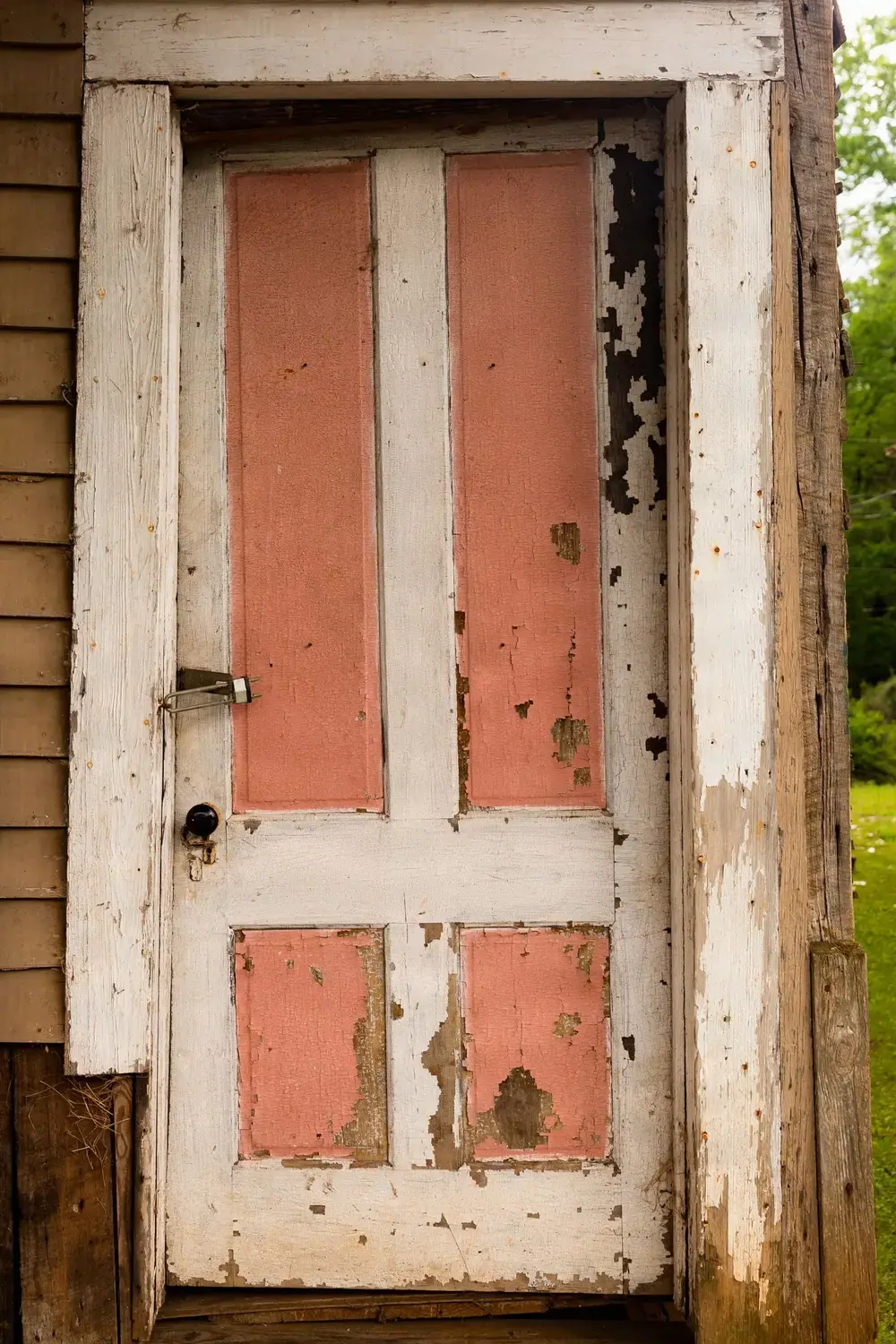
Kinston sits south-southeast of Wilson in Lenoir County. It is a city of 19,505 people with 10,599 housing units (US Census, ACS 2024 5-year), and its homes are the oldest of the five cities we serve. The median Kinston home was built in 1966, against 1983 for Wilson. 74.9% of Kinston's homes went up before 1980, 19.2% before 1950 and 11.8% before 1940.
Most are houses on their own lot: 62.9% are single-family detached, and 2.2% are manufactured homes. Fewer than half are lived in by their owners: 42.5% of Kinston homes are owner-occupied, so a large share of the city's houses are rentals.
Those numbers shape the painting. A house built in 1966 turns 60 this year, and a house from before 1940 has been repainted many times over. Older siding, trim and walls need more preparation than newer ones, and the sections below explain what that means outside, inside and, in one historic district, at the city's preservation office.
Exterior Painting on Older Kinston Homes
Wood siding, trim and porches on a house this age usually carry many coats of old paint. Each coat adds to the stack, and over time the bottom layers lose their grip on the wood. The paint then cracks in a pattern like alligator skin or lifts in strips, and a new coat on top fails along with it. So the work outside starts with the old paint, not the new color:
- Cleaning. Dirt, dust and chalky old paint are cleaned off, so the new paint grips the surface instead of what is sitting on it.
- Scraping. Every loose and peeling bit of paint comes off.
- Sanding. The edges where scraped spots meet sound paint are sanded smooth, so they don't show through the new coats as ridges.
- Priming. Bare wood gets primer, so the finish coats bond and the wood doesn't soak up paint unevenly.
- Caulking. Open joints at corners, around windows and where trim meets siding are caulked, so water has fewer ways in behind the paint.
- Two finish coats on siding and trim, with trim in a harder sheen.
Porches get the hardest wear on an older house, and their railings, columns and ceilings get the same scraping and priming. Window sills and sashes painted many times over often have paint built up in the corners, which is sanded down so the new coats lie flat. Our exterior painting page covers the process from start to finish.
Weather sets the schedule outside. NOAA's 1991-2020 normals for the Kinston Agricultural Research station count 52.86 inches of precipitation a year, and summer is the wettest season. Paint needs a dry surface and dry weather after it goes on. Dew on spring, summer and fall mornings leaves siding wet until the sun dries it off, so exterior painting here starts once the dew is gone and stops early enough for the paint to set before the evening dew settles. The milder weeks of spring and fall are the most comfortable stretches for it.
Interior Painting in Older Kinston Homes
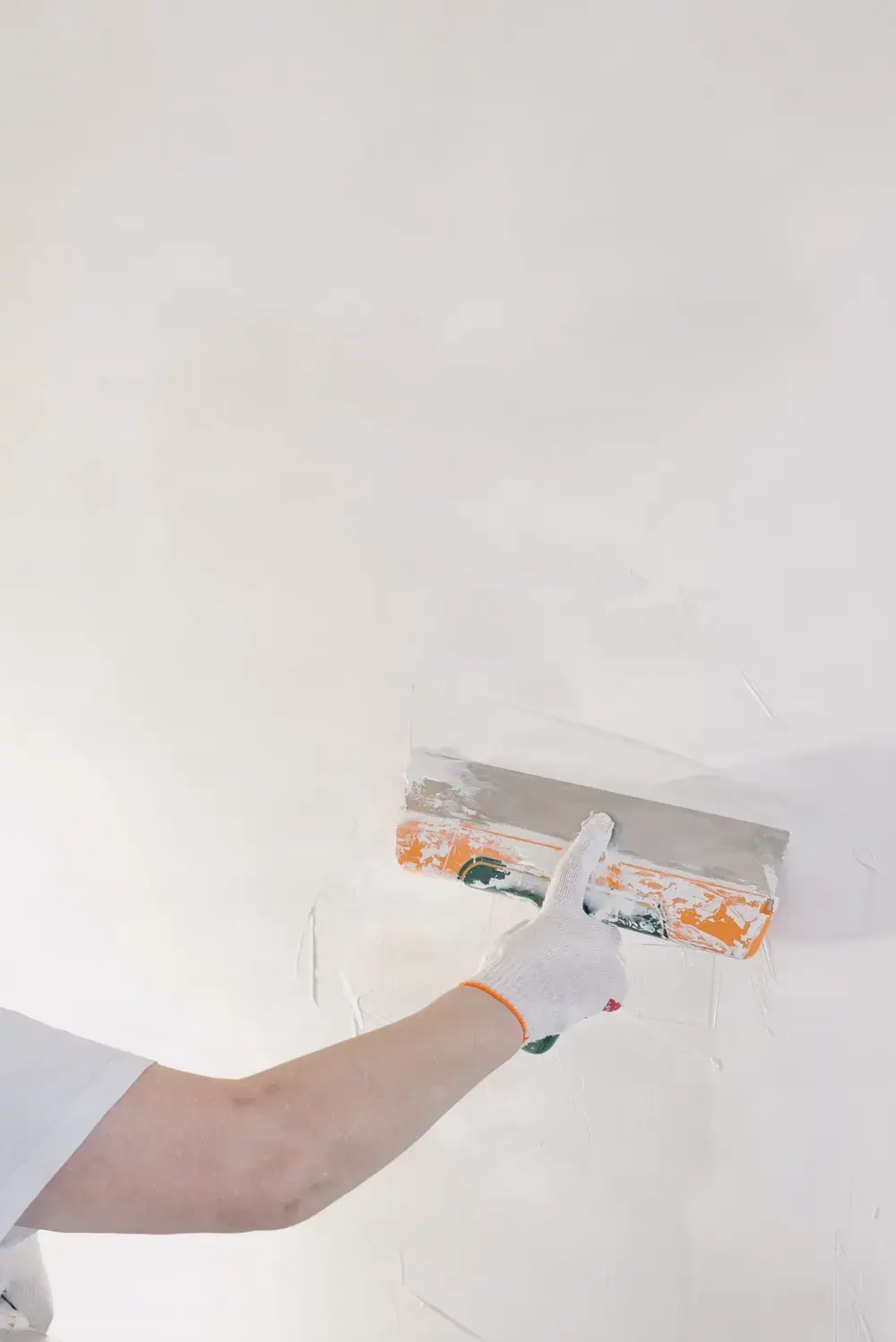
Inside, a house built before the 1950s often has plaster walls and ceilings, and later houses have drywall. Each shows its age in its own way. Old plaster develops fine cracks, often running out from the corners of doors and windows. Drywall shows nail pops, seams that have started to show through the paint, and dents. Before any paint goes on:
- Cracks in plaster are opened slightly, filled and sanded flush, so the line is less likely to show through the new paint.
- Holes, dents and popped nails in drywall are a drywall repair: fastened, patched, sanded and primed so the patch disappears under the paint.
- Old trim paint that has gone glossy and hard is sanded or deglossed so the new coat can bond, and drips and ridges from earlier coats are sanded down.
- Patches are primed. Bare filler soaks up paint and shows as a dull spot unless it is primed first.
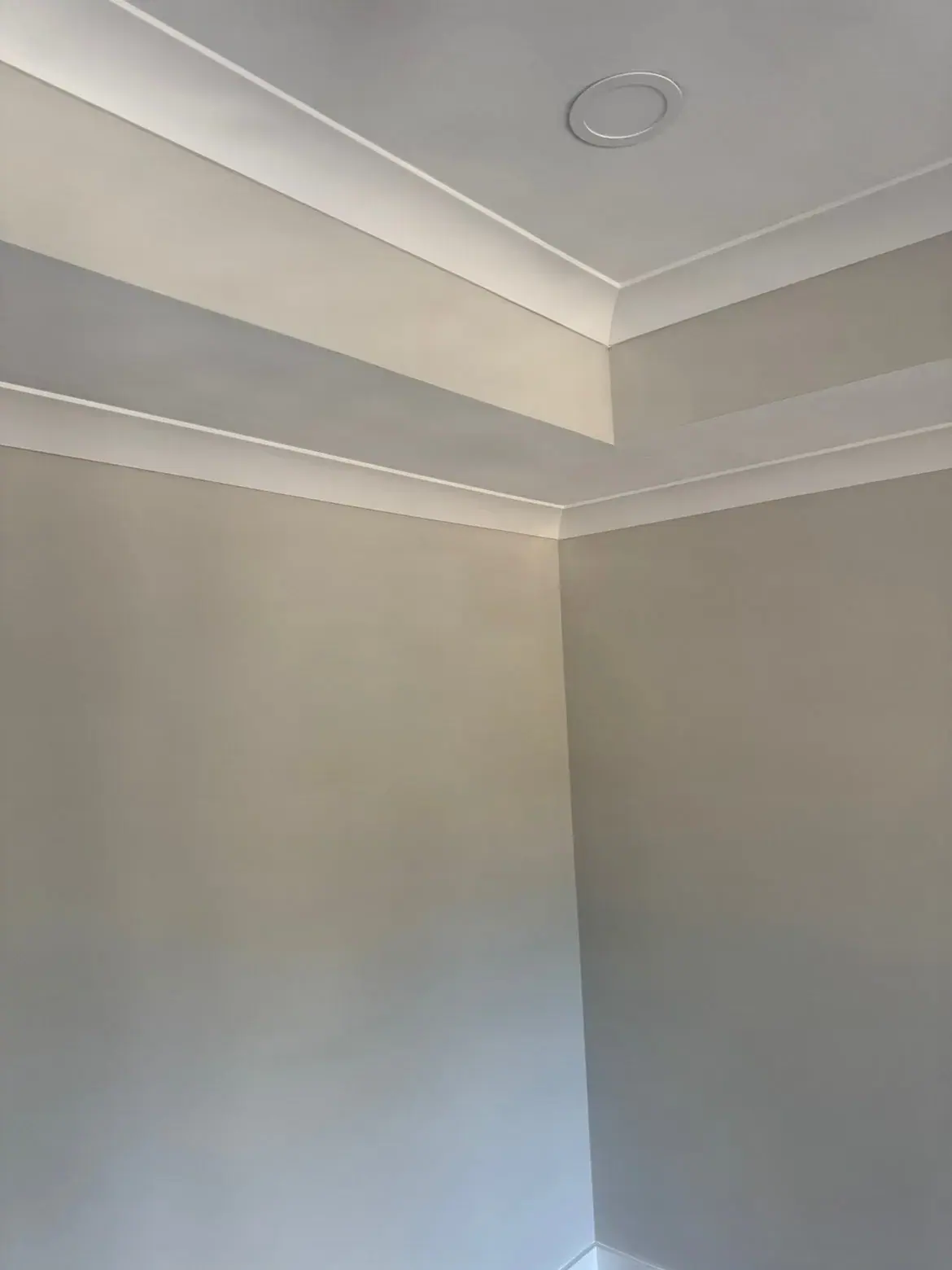
The order inside matters as much as the prep. Ceiling painting comes first, in a flat paint that hides the small waves and patched cracks an older ceiling tends to have. Walls come next, cut in by brush along the ceiling line and the trim. Then the trim painting: baseboards, door and window casing and, in many older homes, crown molding, in a semi-gloss that takes scuffs and wiping. Our interior painting page explains the sheens room by room.
Historic District Rules in Kinston
Kinston has one local historic district. The city's Historic Preservation Commission page says: "As Kinston's only local historic district, Mitchelltown is under the jurisdiction of the Historic Preservation Commission. A Certificate of Appropriateness (COA) is required for most exterior changes within the district."
Paint is addressed directly. On the city's Living in Mitchelltown page, the list of when a COA is required includes "Exterior paint color changes (if specified in the City's guidelines)", and the list of when one is not required includes "Routine maintenance, such as repainting in the same color, repairing with the same materials, or replacing broken glass."
So in Mitchelltown, repainting in the same color is routine maintenance under the city's rule, while a new exterior color may need a COA, depending on the city's guidelines. If your house is in the district, check with the City of Kinston's planning or preservation office before you change exterior colors. Once the colors are settled with the city, we paint to them.
The city's National Register districts work differently. It names three, the Kinston Commercial District, the Hill-Grainger District and the Trianon District, and says they "are not under the jurisdiction of the Kinston Historic Preservation Commission. Property owners in these areas do not need a Certificate of Appropriateness (COA) for exterior changes."
Planning a Painting Project in Kinston
Most painting on an older house is a mix: a porch and trim outside, a few rooms and a hallway inside, a handful of drywall patches. Put them all on one list. With so many Kinston houses rented, owners of rentals often want the same list between tenants: patched walls, fresh paint in a sheen that wipes clean, and trim that has taken a beating.
Call or text (252) 299-2240, tell us which rooms and surfaces you have in mind, and send a few photos by text if you can: close-ups of peeling paint and cracked walls, and one wider shot of the house. Then we look at the work and give you a free estimate. The other towns we serve are on our service area page.
Painting an Older Kinston Home?
Call (252) 299-2240 for a free estimate.
More Photos From Our Jobs
Every photo here is from one of our own jobs. Tap one to see it bigger.


Kinston & Nearby Towns
Kinston is 36 miles from our Wilson base. These are the 5 towns we work in, up to 36 miles out.
- Wilson
- Rocky Mount
- Goldsboro
- Greenville
- Kinston
Your town not on the list? Call (252) 299-2240 and ask.
Questions We Hear a Lot

-
Yes. We serve homes across Kinston, NC, from our base in Wilson. Call or text (252) 299-2240 and tell us about the job.
-
Mitchelltown is Kinston's only local historic district, and the city requires a Certificate of Appropriateness (COA) for most exterior changes there. Its Living in Mitchelltown page lists exterior paint color changes, if specified in the city's guidelines, among the changes that need a COA, and repainting in the same color as routine maintenance that does not. Check with the City of Kinston's planning or preservation office before you change exterior colors.
-
Usually more prep than a newer house. Loose and peeling paint is scraped off, the edges are sanded smooth, bare wood is primed and open joints are caulked before the finish coats go on. The many coats of old paint on siding, trim and porches are the main reason.
-
Spring and fall are the most comfortable seasons. Summer is the wettest season here, and hot, humid days and morning dew slow drying, so summer work starts after the dew is gone and is planned around dry days. Each paint's label gives its own temperature range.
-
Yes, once the cracks are prepared. Fine cracks in old plaster are opened slightly, filled, sanded flush and primed, so the line is less likely to show through the new paint.
-
Yes. Free estimates are available. Call (252) 299-2240 or use the contact form.
-
- Location Based in Wilson, NC 27893
- Free Estimates Call or email usWilson, NC


