 Call: (252) 299-2240


- Wilson Based
A painting company located in Wilson, NC 27893.
- Free Estimates
Professional painting services. Call (252) 299-2240 for a free estimate.
 Wilson Based
 Free Estimates
Touch Ups & Finishing
Not every paint job is a whole room. Touch-ups and finishing are one of our services: the small jobs that make a wall, a door or a stretch of trim look right again. We do them for homes in Wilson, NC and the towns we serve. Putting paint on a scuff takes a minute. The real work is making the spot disappear, so that nobody can tell where the old paint ends and the new paint starts.
Touch Up Painting in Wilson, NC
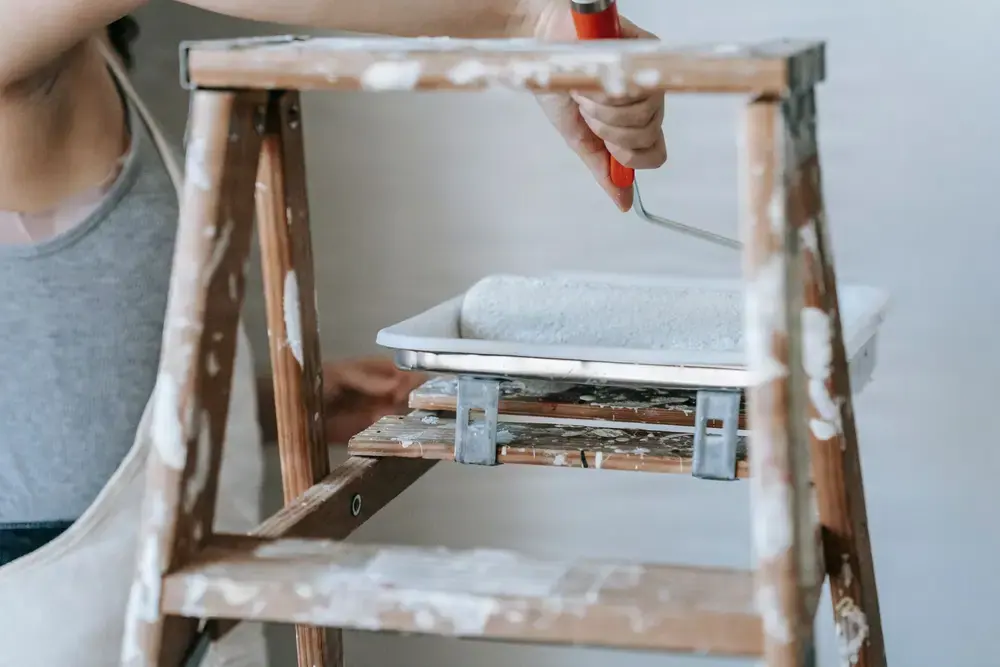
Touch-ups are needed in the same places in most houses:
- Halls and stairways. Shoulders, bags, laundry baskets and furniture on its way through rub the walls at the same height every day.
- Nail and anchor holes left when pictures, shelves, curtain rods or a TV mount come down.
- Patches after a repair. Once a hole or crack has been fixed with a drywall repair, the patch still needs primer and paint that match the wall around it.
- Trim and doors. Baseboards chipped by vacuums, door edges worn by hands, casing nicked by furniture. Trim paint is harder and shinier than wall paint, so it has its own touch-up habits, covered on our trim painting page.
- Before listing a house or between tenants. Walls marked by daily life show in listing photos and at a walk-through. A round of touch-ups is often enough to get a room ready.
- Finishing after other trades. A new light fixture or switch, a plumbing access hole, new flooring or a new countertop can leave scuffed walls, a gap at the baseboard or a bare edge that needs paint.
Small jobs are easiest as one list. Walk the house, note each spot, take a photo of each, and text the list to (252) 299-2240. That way every spot is part of one free estimate.
Why Touch-Up Paint Shows
A touch-up that shows is called flashing: the spot looks shinier, duller or a slightly different color than the wall around it. There are a few common causes:
- The sheen changes. A small spot of fresh paint dries differently from a whole wall rolled at once. On eggshell, satin and semi-gloss, light catches that difference, so a touch-up shows more on shinier paint than on flat.
- The old paint has aged. Paint on a wall fades in sunlight and darkens with dirt, so even paint saved from the first job can look brighter than the wall it went on years ago.
- A different batch. Paint mixed months or years later, even in the same color name, can come out a shade off, and a different product line in the same color often has a different sheen.
- The texture is different. A wall rolled with a roller has a fine stipple. A spot painted with a brush is smooth, and that difference shows in side light.
- The patch soaks up paint. Bare filler and joint compound absorb paint unevenly, which leaves a dull halo if the spot was not primed first.
Sun, Heat and Faded Paint Outside
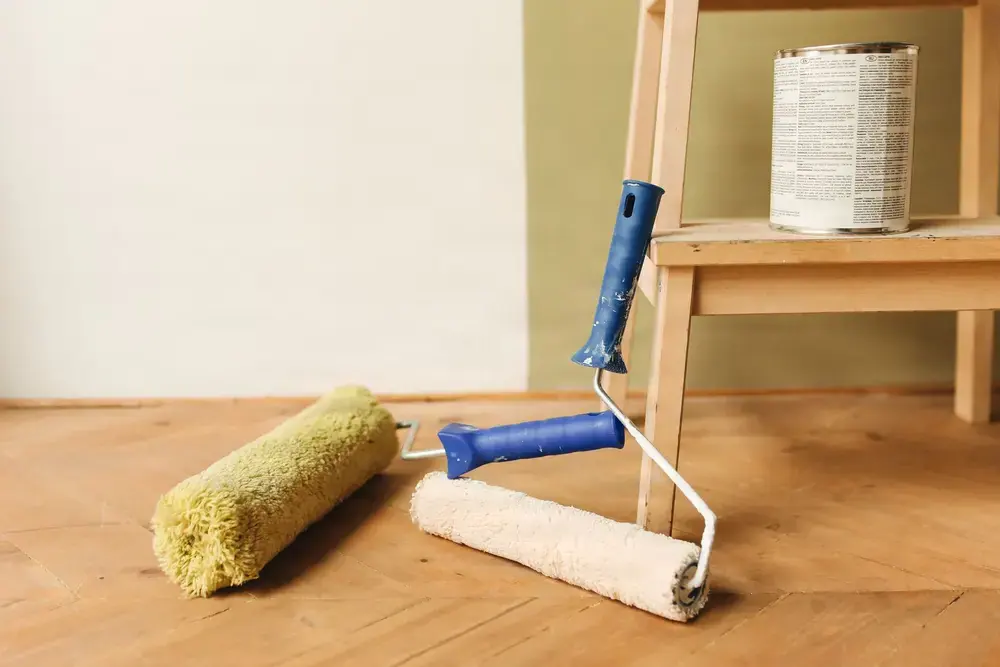
Outside, the sun does most of the aging. NOAA's 1991-2020 normals for the Goldsboro 4 SE station count 61 days a year at 90°F or hotter, against 41.8 freezing nights. Long, hot summers are hard on exterior paint: on the sunny sides of a house it fades, and many paints slowly chalk, leaving a powdery film you can wipe off with a finger. The shaded side of the same house can still look close to new.
That is why a touch-up on a faded wall shows. Fresh paint from the original can is the color the wall used to be, so it sits on the siding as a brighter patch. Cleaning the chalk off first helps the new paint stick, but it doesn't bring the old color back.
Sometimes the honest answer is to repaint the whole wall or side of the house, from one corner to the next. The corner gives the eye a natural break, so the newer paint reads as one side painted at a time, not as a patch. Doors, shutters and short runs of trim can often be touched up or repainted on their own for the same reason: each has its own edges.
Surface Preparation for Touch-Ups
Prep is a bigger share of a touch-up than of a full repaint, because the new paint has to sit level with the old paint around it. For a wall or a piece of trim, it goes like this:
- Cleaning. Scuffs, hand marks and kitchen grease are washed off with a mild cleaner and rinsed. Paint over the oil from hands doesn't bond well and can peel.
- Filling and sanding. Nail holes, dents and small cracks are filled, left to dry, and sanded flush, so the spot is level with the wall. A filled hole that stands proud shows under any paint.
- Dulling gloss. On semi-gloss trim and doors, the area around a chip is sanded lightly so the new paint can grip and the edge of the chip doesn't show.
- Caulking. Cracked caulk where the trim meets the wall is cut out and replaced before paint, so the line between the two colors is clean.
- Spot-priming. Filler, bare wood and marks like marker or crayon get primer first, so the patch doesn't flash and the mark doesn't bleed through.
- Protecting. Floors under each spot get a drop cloth, nearby furniture is covered, and tape goes along edges that should stay clean.
How a Touch-Up Is Blended In
The best start is the paint that is already on the wall. If you still have the can, keep it: the lid label usually has the color name, the sheen and the mix, and paint stirred well from that can matches more closely than anything mixed new. If there is no can, a small chip from a hidden spot can be color-matched at a paint store, sheen included.
The touch-up goes on in thin coats with the same kind of tool the wall was painted with, usually a small roller on a rolled wall, and is feathered outward so it has no hard edge. A spot that still shows after it dries is the sign to stop adding paint and go to the next step: cut the color in to a corner, the ceiling line or the trim, and paint the whole wall between those breaks. One wall painted edge to edge reads as finished; five patches rarely do.
When most of a room needs that treatment, repainting the room is often simpler, and our interior painting page covers that work. For homes in Wilson and nearby, a list of touch-ups and a full room can go on the same estimate.
Got a List of Small Paint Jobs?
Call (252) 299-2240 for a free estimate.
Photos From Our Jobs
Every photo here is from one of our own jobs. Tap one to see it bigger.

Questions We Hear a Lot

-
Often, yes: a small spot in the same paint, applied with the same kind of tool and feathered out, can blend in. It works best on flat and eggshell walls painted recently. On shinier paint, or on a wall that has faded, the spot may still show, and then painting the wall from corner to corner is the cleaner fix.
-
That is called flashing. A small spot of fresh paint dries with a slightly different sheen from a wall rolled all at once, and bare filler under it soaks up paint unevenly. Priming the spot and feathering thin coats helps, and on satin or semi-gloss it is often easier to repaint the wall to a corner.
-
A small chip from a hidden spot can be color-matched at a paint store, and the sheen has to match too. Even then, new paint can look slightly different from paint that has aged on the wall, so a matched color is best used on a whole wall or a whole piece of trim.
-
Yes. One scuff or a whole list of small spots is worth a call. Walk the house, note each spot with a photo, and text the list to (252) 299-2240, so everything can be looked at together.
-
Yes. Free estimates are available. Call (252) 299-2240 or use the contact form.
-
We are based in Wilson, NC 27893 and serve homes in Wilson, Greenville, Rocky Mount, Goldsboro and Kinston. Call (252) 299-2240 or use the contact form to talk about your project.
-
- Location Based in Wilson, NC 27893
- Free Estimates Call or email usWilson, NC


