 Call: (252) 299-2240


- Wilson Based
A painting company located in Wilson, NC 27893.
- Free Estimates
Professional painting services. Call (252) 299-2240 for a free estimate.
 Wilson Based
 Free Estimates
Wood Staining & Finishes
Stain colors wood and lets the grain show, where paint covers it. Staining and finishes have their own line on our flyer, and stains and special finishes are among the services we offer. This page is for the wood around a house that isn't a deck or a fence: what we stain, how to choose between stain and paint, the prep stained wood needs, and which finishes hold up outdoors.
Wood Staining in Wilson, NC
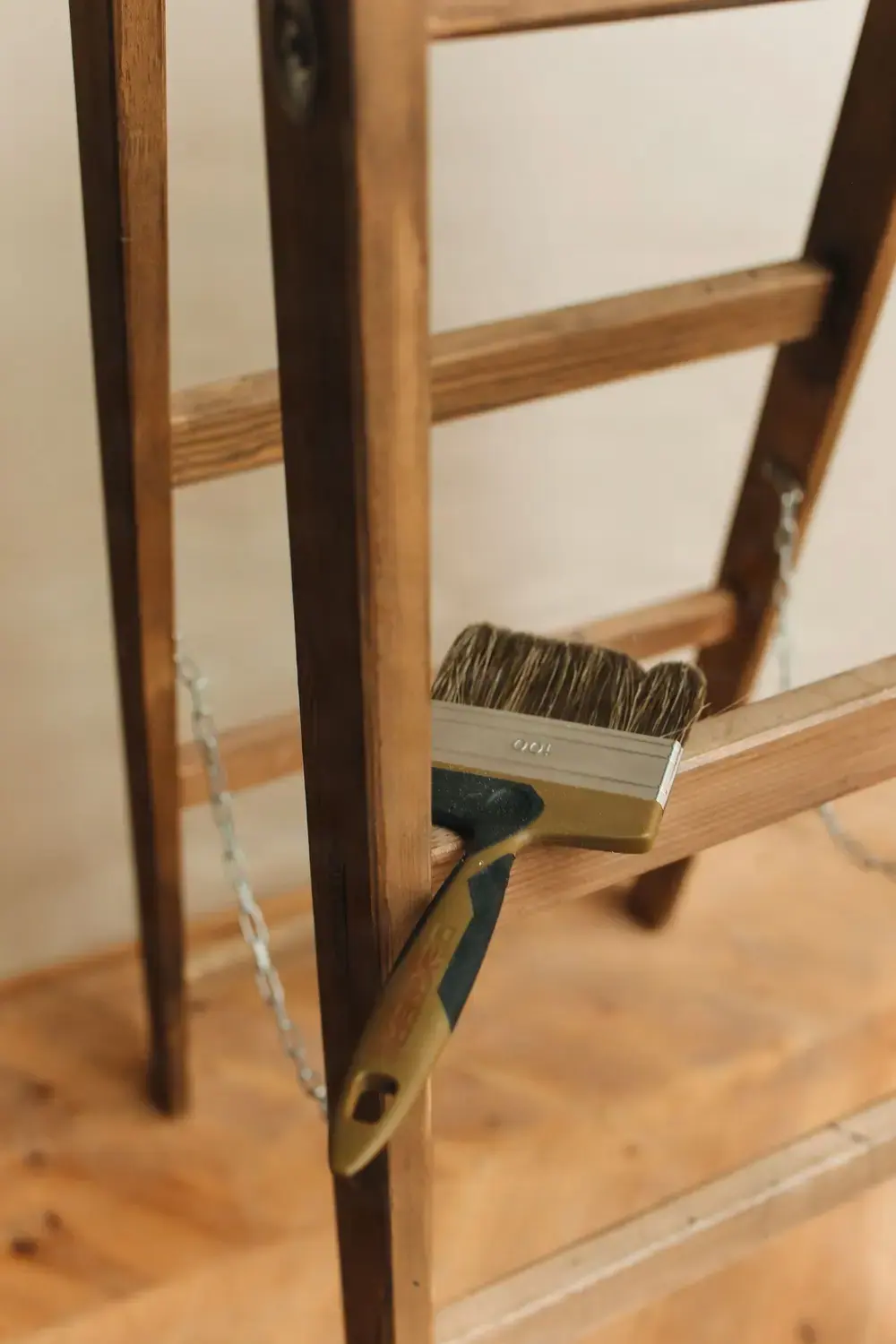
Most stain work on a house falls into two groups:
- Outdoor wood: front doors, porch ceilings and porch floors, railings and handrails, shutters, outdoor furniture and porch swings. This wood takes sun and rain, so the finish on it has to handle both.
- Indoor wood: stair rails, newel posts and balusters, interior doors, window and door casing, and baseboards that you want stained rather than painted. Indoors the finish is about color and wear from hands and feet, not weather.
The two groups get different finishes. Indoor wood is usually stained for color, then given a clear topcoat for hardness. On outdoor wood the kind of finish matters more than the color, because sun and rain break some finishes down far faster than others.
Stain or Paint: Choosing for Each Piece of Wood
Stain is the choice when the wood itself is worth seeing: an oak front door, a tongue-and-groove porch ceiling, a stair rail with good grain. Paint is the choice when the wood has been patched or filled, has been painted before, or needs a color stain can't give. Painted wood can't go back to stain without being stripped to bare wood. If you'd rather paint the baseboards, casing and doors, see our trim painting page.
The common stain types are:
- Oil-based stain soaks in slowly and stays workable longer, which helps on a big piece like a door, where it can be wiped even before it sets. It needs more drying time before the topcoat.
- Water-based stain dries fast with less smell, which suits indoor work. It raises the grain, so the wood is often dampened and lightly sanded first, and it can show lap marks if one section dries before the next is wiped.
- Gel stain is thick and sits more on the surface. It colors woods that blotch with thin stain, and it can go over some smooth old finishes after a scuff sanding.
Surface Preparation for Stained Wood
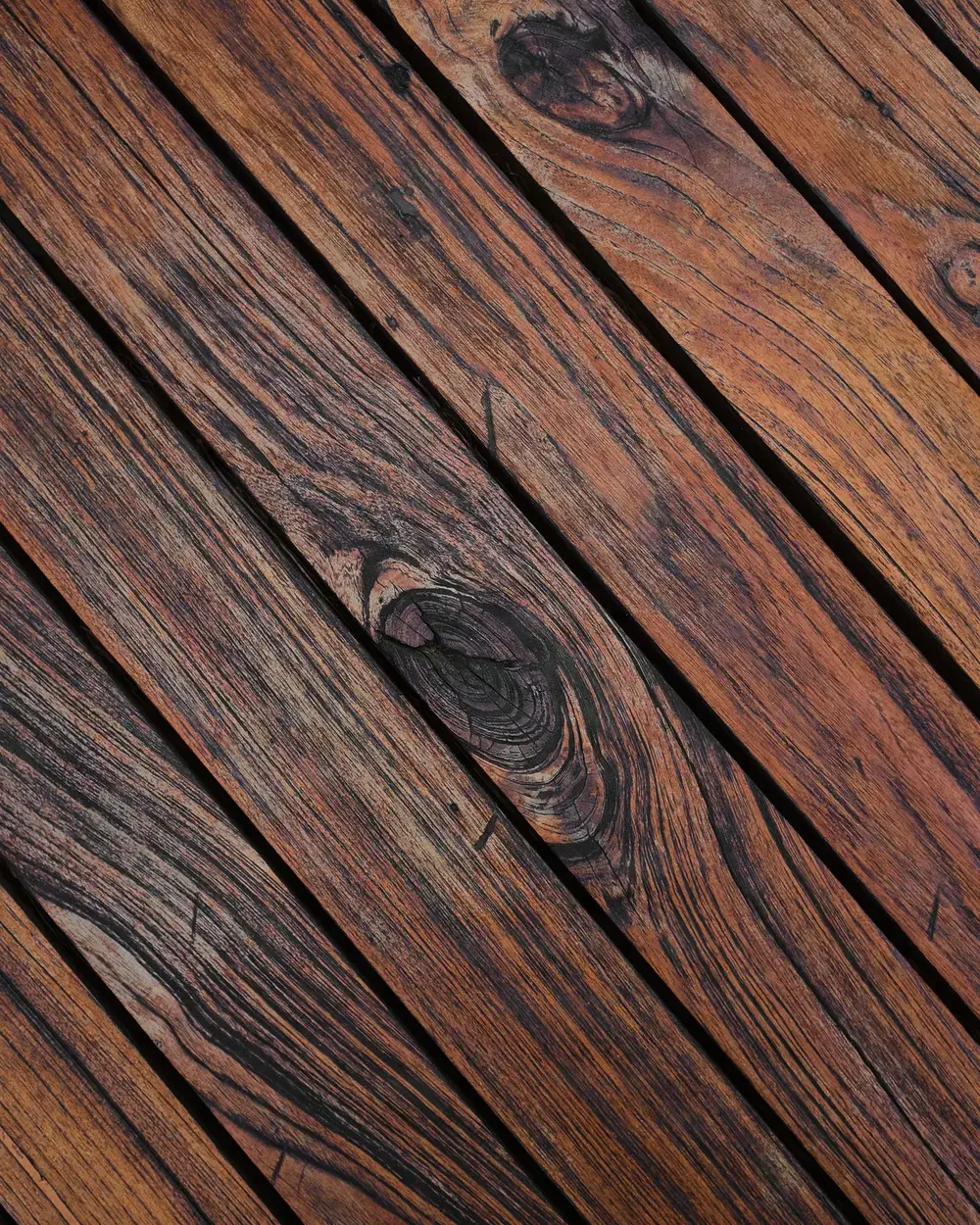
Stain hides nothing. A scratch, a glue spot or a sanding mark shows through it, often darker than the wood around it, so prep for stain is mostly about the face of the wood itself:
- Hardware off. Knobs, hinges, kick plates and house numbers come off or are taped, so the stain doesn't stop in a line around them.
- Cleaning. A handrail carries the oils of years of hands, and an outdoor door carries grime; both keep stain from soaking in evenly.
- Sanding with the grain, through finer and finer grits. Cross-grain scratches stay hidden under paint but stand out under stain.
- Filling holes after the stain. Ordinary filler takes stain differently from wood, so nail holes in stained trim are usually filled after staining, with a putty matched to the color.
- Conditioner instead of primer. Stain goes on bare wood with no primer, but soft woods often get a pre-stain conditioner so they color evenly.
- Caulk only where it won't show, or in a color that blends, since stain doesn't color caulk.
- Protecting floors and furniture. Stain soaks into carpet, grout and fabric, so floors, stair runners and anything near the work are covered first.
Why Stain Looks Different on Pine, Oak and Poplar
One can of stain can look like three colors on three woods. Oak has open pores that hold pigment, so its grain comes out strong and dark. Pine is soft and uneven: some spots drink stain and others barely take it, which leaves blotches unless a conditioner or a gel stain evens it out. Poplar, common in trim that was meant to be painted, takes stain unevenly too and can show green or gray streaks under a light color.
That is why the color is tested on a hidden spot first, such as the inside edge of a door or a scrap of the same wood, and judged dry and under its topcoat, which deepens the color. Old wood adds its own shift: wood that has been in the sun for years has darkened or faded, so a new board set beside it won't match at first.
Topcoats, Sheen and Outdoor Finishes
Indoors, stain gives the color and a clear topcoat gives the protection. Polyurethane is the common topcoat for stair rails, interior doors and trim, in sheens from flat to gloss. Satin is a usual pick for a handrail: gloss shows every fingerprint, and flat wears shiny where hands slide. Between coats, the finish is sanded lightly with fine paper so the next coat bonds and dust specks come off, which is what makes a rail feel smooth instead of gritty.
Outdoor wood has a harder life. NOAA's 1991-2020 normals for the Rocky Mount station count 45.82 inches of precipitation a year, 14.19 inches of it in summer. Film finishes such as varnish crack and peel on wood that takes sun and rain: the sun breaks the film down, water gets in at the cracks, and the finish lifts and has to be scraped and sanded before a new coat. Penetrating oils and stains fade but don't peel, so a porch swing or shutter finished with one needs a cleaning and a fresh coat when it looks dull. Where a clear outdoor film is wanted, spar varnish is the usual choice, since it stays more flexible than indoor varnish, and it still needs a fresh coat before it cracks. A porch ceiling under a roof can carry a clear finish that would fail out in the open, and a porch floor needs one made for foot traffic.
Restaining Old Wood and Special Finishes
The old finish decides how much work a piece needs. If it is sound and only worn, the wood can be cleaned, scuff-sanded and given a new coat of the same color or darker. Going lighter, or fixing a finish that is cracking or peeling, means stripping it back to bare wood, which is a bigger job; whether a piece needs it is decided at the estimate. Kitchen cabinets with a dated stain are often painted instead: see cabinet painting.
For a special finish, describe the look you have in mind when you call, and Cesar will tell you at the estimate whether it is something we do. Decks take a different stain and a different kind of prep, covered on our deck staining page. We serve homes in Wilson, Rocky Mount and the other towns on our list.
What Wood Are You Staining?
Call (252) 299-2240 for a free estimate.
Questions We Hear a Lot

-
Stain suits a solid wood door that has never been painted and has grain worth showing. Paint suits a door that has been painted before, has patches or filler, or needs a color stain can't give. A stained front door that faces the sun needs an outdoor finish, such as spar varnish or a penetrating oil, kept up with fresh coats.
-
Often, if the old finish is sound and you want the same color or darker: the wood is cleaned and scuff-sanded, then restained or given a gel stain. Going lighter, or fixing a finish that is cracking or peeling, means stripping back to bare wood. Which one a piece needs is decided at the estimate.
-
Pine is soft and uneven, so some spots soak up stain fast and others barely take it. A pre-stain conditioner or a gel stain evens out the color. Poplar can blotch the same way, so a test on a hidden spot comes first.
-
Both are clear topcoats that go over stain. Polyurethane is the common choice indoors, on stair rails, doors and trim, where it gives a hard surface. Spar varnish stays more flexible and is made for outdoor wood, though like any film finish it needs a fresh coat before it cracks in the sun.
-
Stains and special finishes are part of our services. Describe the finish you have in mind when you call (252) 299-2240, and we will tell you at the estimate whether it is something we do.
-
Yes. Free estimates are available. Call (252) 299-2240 or use the contact form.
-
We are based in Wilson, NC 27893 and serve homes in Wilson, Greenville, Rocky Mount, Goldsboro and Kinston. Call (252) 299-2240 or use the contact form to talk about your project.
-
- Location Based in Wilson, NC 27893
- Free Estimates Call or email usWilson, NC


